Emergency and Flood Response Lighting: Getting a Light Tower on Site Fast
When the monsoon arrives, the response happens at night and the grid is usually the first thing down. A portable light tower needs no supply and no cabling — here is how to get one moving, and why the planning should happen in October.

Response Work Happens in the Dark
The monsoon does not schedule itself for daylight
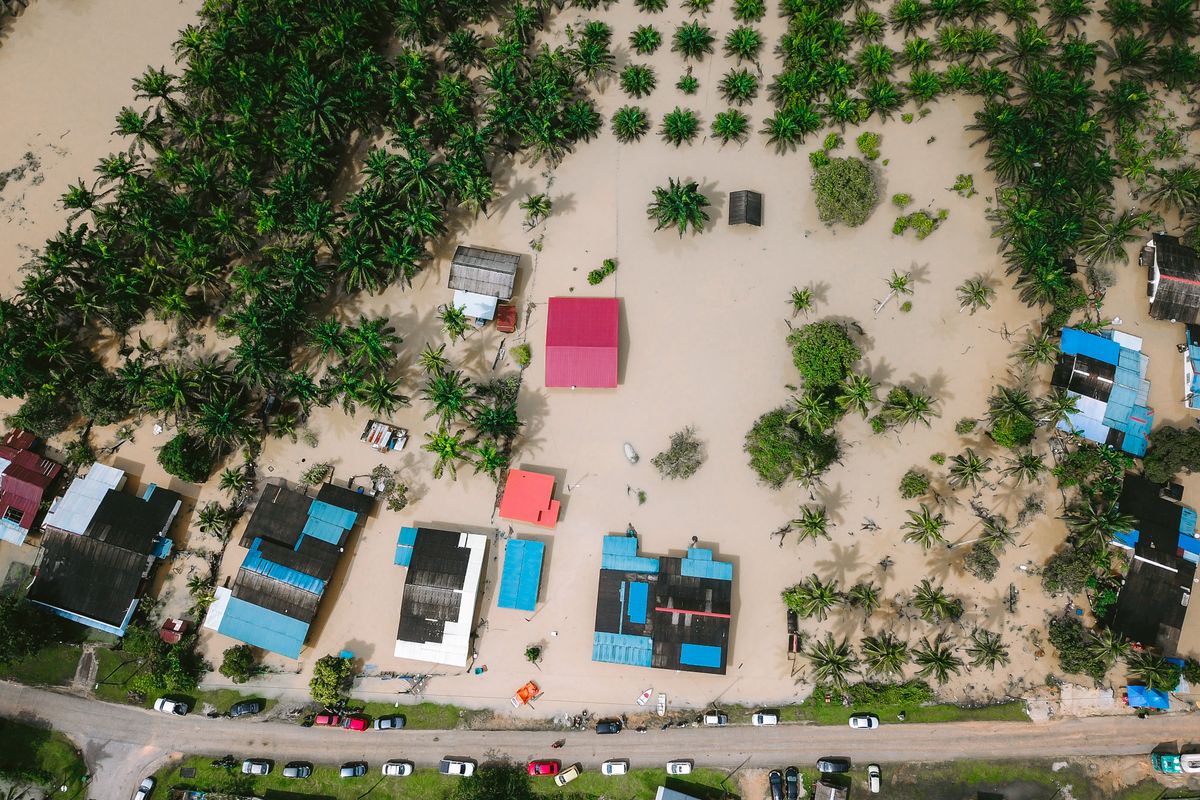
Malaysia's northeast monsoon runs roughly November to March, and it hits the east coast hardest — Kelantan, Terengganu and Pahang see the worst of it, with Johor and parts of Sarawak affected in bad years.
When water rises, the response does not wait for morning. Evacuations, pumping, road clearance, relief distribution and damage assessment all run through the night. 🌧️
And the grid is usually already down
The areas that need light most are exactly the areas where the supply has been cut, either by the flood itself or as a safety measure. Anything that needs to plug into something is not going to help.
Why a Self-Powered Unit Fits Emergency Work
A mobile light tower is a silent diesel generator carrying an 8 m telescopic mast, on a road-towable trailer. For response work that combination matters:
- No supply needed — it makes its own power, so a cut grid is irrelevant
- No cabling — no distribution board to set up and no leads across wet ground
- Towable — it goes wherever a vehicle can pull a trailer
- Set up in one operation — position, outriggers down, winch the mast up
- Height — 8 m of mast lights an area rather than a spot, which is what a staging or evacuation point needs
None of that is a marketing claim. It is just what the machine is.
Where the Units Actually Go
Evacuation and staging points
The car park of a school or community hall being used as a relief centre, where vehicles arrive through the night and people are being moved on foot.
Pumping and dewatering operations
Crews working pumps on embankments and drains, often on soft or uneven ground where footing is the main hazard.
Road clearance and access restoration
Plant clearing debris, silt and fallen trees so access can be reopened. This is night work by necessity, not by choice.
Damage assessment and repair
After the water drops, the clean-up and repair phase runs long hours and often continues after dark for weeks.
Muster and welfare areas
Wherever responders rest, eat and hand over shifts. Easy to forget and genuinely important at 3 a.m.
How to Get One Moving Fast
Send us these five things in one message and we can answer immediately rather than going back and forth:
- Where — a location pin, not just a town name
- What the access is like — can a vehicle towing a trailer reach the position? A photo helps more than a description
- How many areas need lighting, and roughly how big each is
- How long you expect to need them
- Who is on site to receive and position the units
We will confirm availability and the delivery arrangement per enquiry. We do not advertise a response time — during a flood event, road conditions decide that, and a promise we cannot keep is worse than no promise.
The Access Problem Nobody Plans For
A trailer needs a route
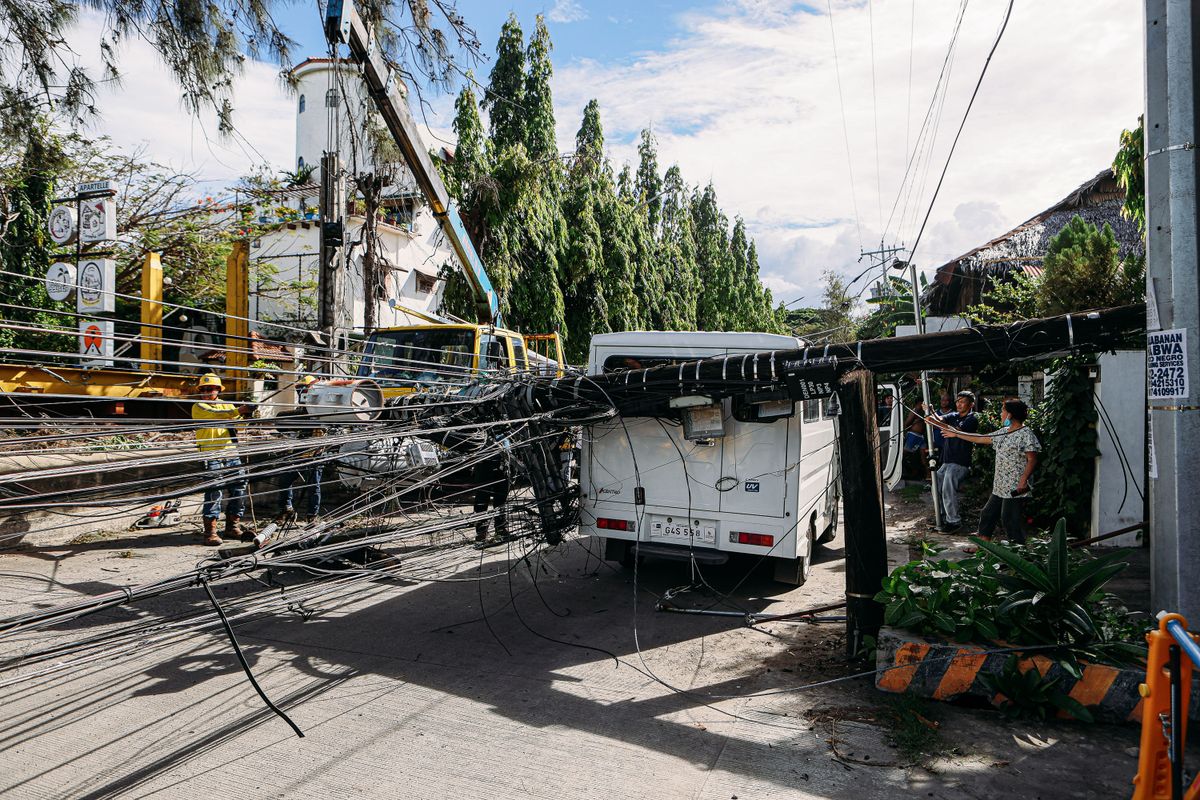
The unit is towed. If the road to the site is under water or blocked, the unit cannot get there — this is the real constraint in flood response, not availability.
Which is why the honest advice is: position units before the water arrives, not after. Once access is cut, the decision has already been made for you.
Ground conditions after a flood
Saturated ground will not hold outriggers without pads. Check the unit is level after the first hour, and again if it rains heavily again.
Keep the unit out of the water line
Diesel plant and standing water do not mix. Position on the highest firm ground that still covers the area you need lit, and be prepared to move it if levels rise.
Plan in October, Not December
The units are a finite fleet
When a flood event hits, every response organisation in the affected states is looking for the same equipment in the same week. Availability is decided before the event, not during it.
What pre-positioning looks like
- Identify your likely staging and relief points now
- Work out the tower count for each — see our coverage guide
- Talk to us before the season, so the arrangement exists in advance
- Confirm who on your side receives and positions units
We cover the east coast states — Kota Bharu, Kuala Terengganu, Kuantan — as well as the rest of the country.
Get a Light Tower Moving
Send the location pin, the access situation, the areas to light and your dates. We confirm availability and quote a fixed monthly rate per tower — nationwide, including Dungun and Kemaman.
Frequently Asked Questions
How quickly can you deliver during a flood?
We confirm the arrangement per enquiry rather than advertising a response time, because road conditions during a flood decide it. Message us with the location and we will tell you what is actually possible.
Does the unit need power at the site?
No. It carries its own silent diesel generator, which is exactly why it suits areas where the supply is down.
Can it be positioned on soft ground?
With pads under the outriggers, yes, on firm-enough ground. Saturated ground needs checking after the first hour and again after heavy rain.
Can it operate in standing water?
No. Position it on the highest firm ground that still covers the area, and move it if levels rise.
Can I arrange units before the monsoon season?
Yes, and it is the right approach. Availability is decided before an event rather than during it — message us before the season starts.
The Short Version
A portable light tower needs no supply and no cabling, which is what makes it useful when the grid is down and the response is running at night.
The binding constraint is access, not availability — so position units before the water arrives, and have the arrangement in place before the season starts. 🌧️